Understanding Niacinamide Skin Benefits and What It Does to Skin? 

Niacinamide (also known as vitamin B3) is one of the most buzzed-about skincare ingredients of the moment, thanks to its ability to improve the look of many different skin concerns. From targeting hyperpigmentation to controlling excess oil and soothing sensitive skin

close up of a woman resting her hands on her face

What Does Niacinamide Do for Your Skin?

Niacinamide is excellent for leaving skin feeling soothed. It supports a healthier-looking skin barrier by helping skin maintain optimal hydration levels and minimising transepidermal water loss. This is particularly beneficial for oily skin, which may be aggravated by harsh products targeting blemishes that dry out the skin, prompting it to produce more oil and perpetuating a cycle of imbalance. Dermatologists often suggest maintaining a balanced oil level in the skin for this reason. Additionally, niacinamide can diminish the appearance of dark spots and hyperpigmentation by enhancing skin texture and brightness. 
Exploring the Benefits of Niacinamide for Skin

One of the reasons that niacinamide is so popular and found in so many different skincare formulations is due to its many benefits. From leaving sensitive skin feeling soothed and minimising the look of pores to strengthening the skin barrier and regulating excess oil production, it’s fantastic at improving the overall healthy look of the skin and supporting its function. It’s also suitable for all skin types and is generally well tolerated by the skin.

Niacinamide's Role in Fading Dark Spots

Another of niacinamide’s amazing benefits is its ability to brighten the skin and improve the look of hyperpigmentation concerns such as dark spots and hyperpigmentation. It does this by helping to minimise the contrast between areas of hyperpigmentation and the surrounding skin, leading to a more balanced and even skin tone. These benefits can be enhanced by combining niacinamide with an antioxidant serum and broad-spectrum sunscreen, as they provide the skin with excellent protection against environmental damage, a common cause of discoloration.

Understanding Glycolic Acid for Skin

Glycolic acid is another ingredient often combined with niacinamide in skincare formulations, especially when addressing dark spots and hyperpigmentation. Glycolic acid is an exfoliating alpha-hydroxy acid that stimulates surface skin cell turnover and removes dead skin cell. Formulas with glycolic acid can make the complexion appear dull while revealing brighter skin beneath. This effect makes the skin tone and texture appear more even, reducing the appearance of dark spots.

Understanding Melasyl for Skin

Melasyl, a patented active ingredient, intercepts excess melanin at a different stage of its production - before it marks the skin. Formulas containing melasyl, are therefore very powerful at preventing the appearance of future dark spot discolouration and hyperpigmentation.

Our Best Products with Niacinamide

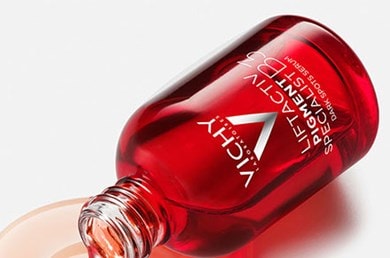
Vichy Liftactiv Serum spilling it's peach coloured formula


Serum: Liftactiv Pigment Specialist B3 Anti Dark Spots Serum


This serum combats the appearance of all types of dark spots, as well as wrinkles. It contains 15% anti-dark spot actives, including Niacinamide B3 and the multi-patented Melasyl. Niacinamide B3 helps reduce the look of dark spots, whereas Melasyl intercepts excess melanin before it marks the skin. Dark spots appear reduced, and skin tone looks more even. Fades dark spots, leaving skin tone more evn and wrinkles looking reduced.

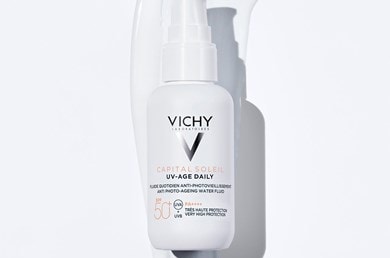
Vichy UV-Age Daily on top of a swatch of white sunscreen


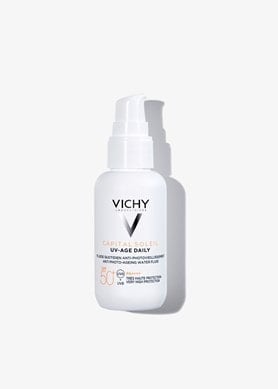
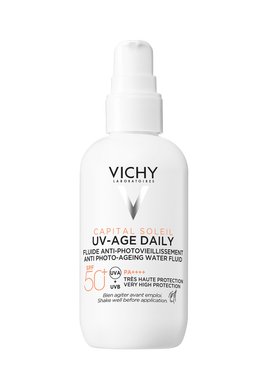
Sunscreen: Capital Soleil UV-Age Daily SPF50


Always remember to follow your routine with a high SPF, broad-spectrum sunscreen. UV-Age Daily is an anti-photoaging sunscreen with very high protection against UVB and UVA rays. It is enriched with anti-ageing derm actives, peptides and niacinamide, to visibly correct photo-ageing signs: dark spots, lack of plumpness and dullness.

Whether you have discoloration, enlarged pores, excess oil, or a dull, uneven skin tone, niacinamide is the ingredient to have in your repertoire. Don’t forget that when treating discoloration specifically, using formulas that combine niacinamide with glycolic acid and melasyl can help to maximise your results. 


Vichy’s Liftactiv range combines these powerful ingredients in many of its products. Discover the transformative power of niacinamide, melasyl, and glycolic acid today! 

Frequently Asked Questions

Is it okay to use niacinamide every day?

Yes, it's generally safe to use niacinamide every day. Due to its gentle nature, niacinamide can be incorporated into both your morning and evening skincare routines without causing irritation for most skin types.

Which is better, vitamin C or niacinamide?

Choosing between vitamin C and niacinamide depends on your specific skin concerns. Vitamin C is renowned for its antioxidant properties, ability to brighten the skin, and ability to reduce signs of aging. Niacinamide, on the other hand, is great for barrier repair, leaving skin feeling soothed, and controlling sebum production. Both ingredients offer unique benefits and, when used appropriately, can even complement each other in a skincare routine. 

Is niacinamide or hyaluronic acid better? 

Deciding whether niacinamide or hyaluronic acid is better depends on your skincare goals. Niacinamide is best for improving the skin's barrier function, controlling oil, and addressing blemishes or redness. Hyaluronic acid excels at hydrating the skin by drawing moisture from the environment, making it ideal for those with dry or dehydrated skin. Both ingredients serve different purposes and can be used together in a skincare regimen to achieve hydrated, healthy-looking skin. 

SKINCARE ROUTINE FINDER

TAKE THE QUIZ TO FIND YOUR SKINCARE ROUTINE,

TAILORED TO YOUR SKIN NEEDS.

START NOW