What are crow’s feet and how can you tackle them?

Crow’s feet are fine lines and wrinkles that splay out around the eyes, like a bird’s foot. Also called laughter lines, many embrace them as they show expression, while others seek to minimise them. This article explores causes, prevention, and treatments for crows feet.

Close up of a woman resting her fingers by her eyes

What are crow’s feet and how can you tackle them?

The skin around the eyes is much more delicate and thinner than other areas of the face, so it’s no surprise that it tends to show signs of ageing first. It’s also an area of expression which naturally wrinkles when we smile or laugh.


However, factors such as cumulative sun damage, smoking, excess alcohol and pollution can accelerate the ageing process and cause crow’s feet to show up prematurely. The good news is that whether you want to prevent premature ageing signs in this area, or improve the appearance of existing lines around the eyes, you can make a difference with targeted skincare and skin treatments.

What causes crow’s feet?

There are a number of reasons why people develop crow’s feet. Ahead we delve deeper into some of the most common.


A reduction in collagen and elastin


As we get older, our natural levels of skin-plumping proteins such as collagen and elastin start to decline which means that lines and wrinkles start to appear. Other physiological changes, such as the menopause where the body undergoes hormonal changes, can also lead to a change in the skin and its hydration levels. This can cause ageing signs and crow’s feet to appear more prominently.


Forms of expression


Mechanical factors of the face such as frequent laughing and smiling can make you more naturally predisposed to crow’s feet. Lines in this area can also be genetic and you may notice your own ageing signs appear in a similar place to your parents.


Lifestyle factors


The way you live your life can have a direct impact on the health of your skin especially if you smoke, spend a lot of time in the sun, or live in a polluted area. All of these factors create free radical damage and oxidative stress in the skin. This stress damages the skin and breaks down important proteins such as collagen and elastin. Crows' feet may then appear prematurely or more prominently.

How can you prevent crow’s feet?

Close up of Vichy Liftactiv Collagen Specialist 16 Eye exuding its formula

When it comes to premature ageing signs such as crow’s feet, there are a number of things you can do to prevent them.


A balanced diet


Eating a balanced diet will provide your skin with the nutrients it needs to function optimally. Vitamin C, an antioxidant found in fruits and vegetables, for instance, helps the skin defend itself from free radical damage. Omega-3 fatty acids found in oily fish, nuts and seeds also help to keep the skin barrier healthy while protein found in lean meat and legumes contributes to the production of skin-boosting proteins such as collagen.


Plenty of sleep


The term ‘beauty sleep’ isn’t just a myth and our sleeping habits can have a direct impact on our skin. This is because our body carries out a number of vital functions while we rest - from collagen production, to lowering stress and inflammation in the skin, and strengthening the immune system and skin barrier. When we don’t get enough sleep, the skin barrier can become impaired, leaving it more prone to dryness and skin conditions. Collagen production may also be reduced and ageing signs, including crow’s feet, may appear more prominently.


Staying hydrated


The NHS recommends that adults drink approximately six to eight glasses of water a day to stay hydrated. You may need to drink more than this if you’ve done vigorous exercise or it’s particularly hot and you’re perspiring more than usual. Drinking water is essential for good health as it helps to control the body’s basic functions such as transporting oxygen around the body and lubricating the joints. It also helps to keep the skin hydrated while aiding functions such as healing and maintaining skin elasticity,


Using a silk eye mask and/or pillow case


Many dermatologists recommend switching your usual cotton pillowcase or eye mask for one made of silk. This is because silk is less abrasive on the skin than man-made fibers so it reduces friction. It’s also believed to reduce the risk of creases on the skin while being more gentle and hypoallergenic on sensitive skin types.


Avoiding or reducing damaging habits like smoking and drinking


Habits such as smoking and drinking alcohol can have a seriously detrimental effect on the skin, so cutting down on these habits can make big improvements to the way your skin ages. Tobacco smoke, for instance, creates oxidative stress in the skin’s fibroblasts. This in turn affects many skin-boosting functions such as collagen and elastin production, wound healing, and the narrowing of blood vessels that carry nutrients to the dermis. It also causes smokers to squint or purse their lips as they inhale which can lead to more prominent crow’s feet. Likewise, excess alcohol consumption causes dehydration, oxidative stress in the body and inflammation which can exacerbate conditions.


Reducing stress


If you’ve ever enjoyed a very relaxing holiday and been told that you look ‘well rested’, you’ll know the direct impact wellbeing can have on your skin. When we face a lot of stress, hormones such as cortisol are released into the body affecting everything from our immune system, to blood flow, skin barrier function and moisture levels. That’s why reducing stress where possible through meditation, yoga, or simply taking the time to do the things we love, can impact your overall skin health and wellbeing.


Reducing sun exposure


UV exposure from the sun is proven to be responsible for around 90% of premature skin ageing signs including crow’s feet. That’s why it’s vital that you protect your skin from UVA and UVB rays every morning with a broad-spectrum sunscreen. You should also try to reduce direct sun exposure, and protect your face in other ways such as wearing sunglasses and a hat when the sun is out. Don’t forget that UV radiation is also present all year round, even in the winter when the sky is grey or cloudy so it should always be the last step in your morning skincare routine.

What treatments are available for crow’s feet?

Vichy Liftactiv Collagen Specialist 16 Eye laid on a white creamy formula

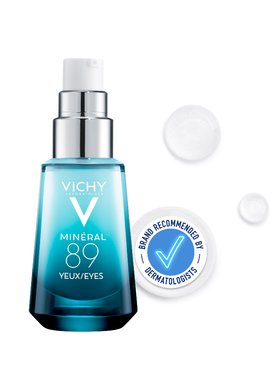
If you want to target signs of ageing around the eye area such as crow’s feet you can help to smooth the skin with powerful skincare products containing active ingredients. Vichy has a range of targeted products such as Liftactiv Collagen Specialist 16 Eye Care which is formulated with co-bonding technology [Rhamnose, Peptides, Maitake] to boost skin affected by the loss of collagen and its bonds, targeting 16 ageing signs including fine lines, firmness, sagginess, hydration and evenness.


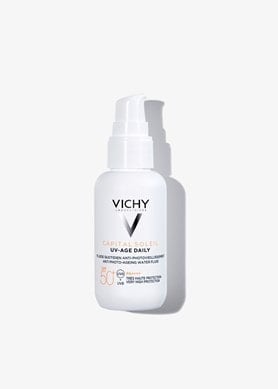
Eye creams are very effective at targeting crow’s feet and wrinkles as they contain effective concentrations of anti-ageing ingredients such as Hyaluronic Acid, niacinamide, and probiotic-derived fractions in a formula suitable for the sensitive eye area. Many also contain SPF protection to help defend the skin against UV exposure while many facial sunscreens such as Vichy’s Capital Soleil UV Age Daily SPF50 are suitable for use around the eyes.


Other ingredients to look for


Retinols


Retinol is a form of vitamin A and proven to be one of the most effective over-the-counter ingredients for targeting ageing signs on the skin. It works by increasing skin surface cell turnover, removing dead skin cells and uncovering fresh new skin beneath. This also helps to improve skin texture and radiance in the skin. If you’re new to using retinol, start carefully at first by applying in the evening twice a week. You can then increase your usage as your skin builds up tolerance to it. It should also always be followed with a broad-spectrum sunscreen the next day as retinol makes the skin more photosensitive.


Chemical exfoliants


Chemical exfoliants help to restore radiance to ageing skin as they remove dead skin cells and reveal fresh skin beneath. There are two main forms of chemical exfoliant: AHAs (alpha-hydroxy acids) such as glycolic and lactic acids and BHAs (beta-hydroxy acids) such as salicylic acid. BHAs tend to be stronger and reach the deeper layers of the skin so they should be used carefully and with guidance.

Tackle the visible signs of ageing with Vichy

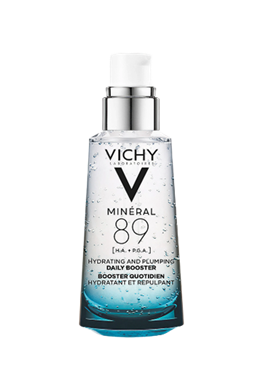
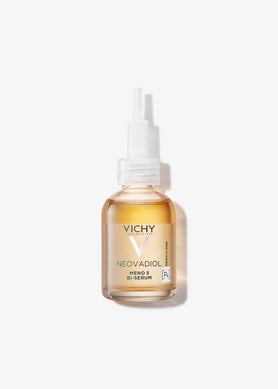
If you are hoping to improve the look of crow’s feet around your eyes and target general signs of ageing, Vichy has a range of skincare solutions to help. From eye serums and creams, to face serums and sunscreens, head to vichy.co.uk today to create your personalised skincare routine.


Find tailored anti-ageing skincare solutions at Vichy.co.uk

SKINCARE ROUTINE FINDER

TAKE THE QUIZ TO FIND YOUR SKINCARE ROUTINE,

TAILORED TO YOUR SKIN NEEDS.

START NOW