Hair Thinning Due to Dandruff​

Hair thinning and dandruff are two concerns that can come hand in hand due to the way they affect the scalp. While it can be frustrating and even distressing, there are products and tried-and-tested tips that can help keep your scalp and hair in good condition.

Causes of Hair Thinning Due to Dandruff

Signs of dandruff include dry, itchy flakes of dead skin on the scalp. This can be caused by:
  • a dry scalp
  • overproduction of oil
  • sensitivity on the scalp

As dandruff makes the scalp itchy and uncomfortable, it can lead to lots of itching and scratching. This can lead to damage and weakening of the hair, making it more likely to break, which can result in hair thinning.

When hair is weak and breaks easily, it’s difficult to grow back hair that you’ve lost. So if you use a product or make lifestyle changes to avoid dandruff, you can prevent hair thinning. We’ll discuss both of these later in the article.

Symptoms of Hair Thinning and Dandruff

The most common symptom of hair thinning due to dandruff is increased hair fall, so you may notice:

    • more hair than normal falling out when you wash or dry your hair
    • visible patches of scalp where hair loss has become prominent
    • white flakes, which are signs of inflammation and dandruff on the scalp

Products to keep your hair and scalp in good condition

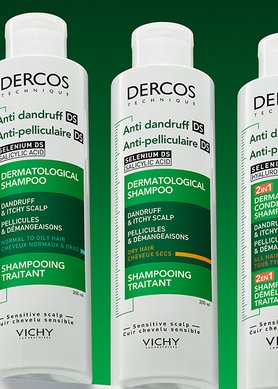
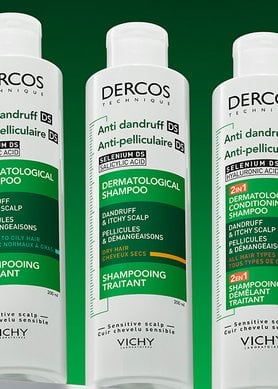
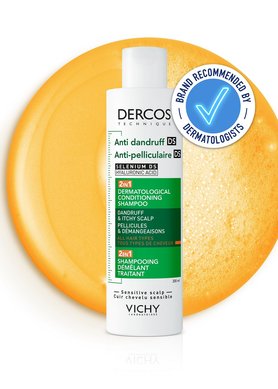
Dercos Anti-Dandruff Shampoo lying flat next to 3 droplets of product

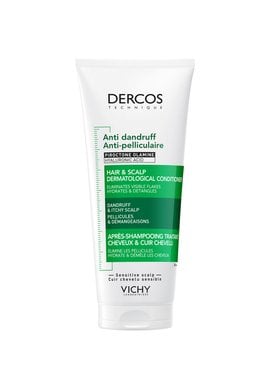
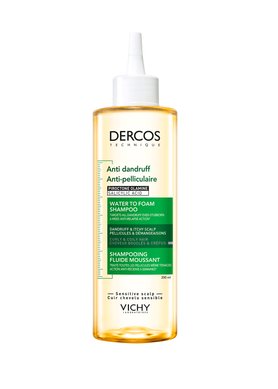
At Vichy, we have a dedicated range of shampoos, recommended by dermatologists, based on hair type and scalp sensitivity.

If you experience hair fall due to hairs breaking, try Dercos Energy+ Shampoo. We recommend targeting the cause of weakened hair with our Anti-Dandruff shampoos, as managing the dandruff can help avoid hair thinning and breakage.

There are different types of dandruff such as dry skin dandruff, oily skin dandruff, and dandruff related to sensitive skin, including conditions such as psoriasis. For best results, try and understand the cause of dandruff and use a product that has been tried-and-tested on the type of dandruff you might have. 


Normal to oily hair

For normal to oily hair, consider Vichy's Anti-Dandruff Shampoo for Normal to Oily Hair. Formulated with Selenium DS to target visible flakes due to dandruff, and salicylic acid to exfoliate and help remove flakes on the scalp, it helps to remove visible dandruff while preventing a relapse for six weeks.


Dry hair

For dry hair, Vichy's Anti-Dandruff Shampoo for Dry Hair could be a perfect match. Using the active ingredients of Selenium DS and salicylic acid, it tackles dandruff while providing comfort and hydration to a dry scalp and dry hair.


Sensitive scalp

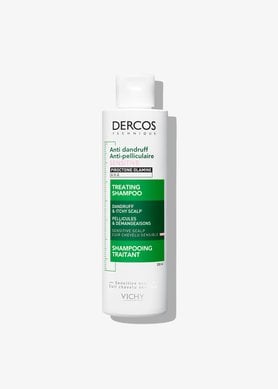
For a sensitive scalp, try Vichy's Dercos Anti-Dandruff Shampoo for Sensitive Scalps. The colourant and sulfate-free technology helps to cleanse and soothe the scalp while acting on eliminating visible flakes and preventing a relapse for up to six weeks.

UK Pharmacist Virginia Chachati says, “When you first use Anti-Dandruff shampoos, they help remove dandruff from the scalp, and this can help prevent hair thinning. For lasting results, I recommend you continue using the Anti-Dandruff shampoo to avoid the dandruff and hair thinning coming back. Check with your doctor or pharmacist if any of your medicines may be causing the dandruff or hair thinning. If the problem persists, see a dermatologist (skin doctor) to look at your scalp and run any tests to check for any other causes, and look at treatment options.

4 Top Tips for Preventing Hair Thinning Due to Dandruff

Here are our four top tips to help prevent hair thinning due to dandruff, including:
  • a holistic approach
  • lifestyle adjustments
  • hydration
  • stress management

Holistic Approach

An effective way of managing dandruff and hair thinning includes adding Vichy’s dedicated range of shampoos, formulated to reduce hair fall due to hair breakage. These shampoos also help support the healthy appearance of the scalp.


In addition, you should consult a dermatologist for tailored advice if you are concerned about hair thinning, or you’re unsure about the cause or type of dandruff you have.


Lifestyle Adjustments

Pollution, smoke, stress, medications, and excess alcohol consumption, can all create oxidative stress in the body. This can lead to inflammation and skin-related concerns such as dandruff and psoriasis on the scalp.

You can reduce oxidative stress by adopting a healthy lifestyle, reducing stress levels and protecting the body with an antioxidant-rich diet. Antioxidants help to neutralise the free radicals that cause oxidative stress and minimise the damage they cause in the body.

Eating foods rich in Vitamin E, Omega-3 fatty acids, and zinc (found in fish, chia seeds and eggs) can also support hair health, strengthen hair follicles, and reduce hair loss.


Hydration

Drinking plenty of water will help keep your body, scalp, and hair well-hydrated. The NHS recommends you drink approximately six to eight glasses of water a day1. This can help to improve your overall hair health.


Stress Management

If you have high levels of mental stress due to work or family life, try to manage it with exercise, meditation, or writing in a journal. Consider seeking support from a mental health charity or attending regular therapy sessions to talk about how you feel and create a plan to reduce stress.

Mental stress can cause oxidative stress and inflammation in the body which can contribute to hair thinning and dandruff.

See a doctor if you feel stress is difficult to manage and affects how you live your daily life.


Create a routine to avoid hair thinning due to dandruff

With the right care, treatment plan, and adopting healthy lifestyle habits, you can effectively avoid hair thinning due to dandruff. Your next step is to identify the cause and type of dandruff you have before creating a plan that’s right for you. 

Head to Vichy.co.uk to create a comprehensive haircare routine to avoid dandruff and hair thinning.

https://www.nhs.uk/live-well/eat-well/food-guidelines-and-food-labels/water-drinks-nutrition/#:~:text=Daily%20fluid%20intake&text=The%20Eatwell%20Guide%20recommends%20that,pregnant%20or%20breastfeeding


About Virginia Chachati MPharm

Virginia Chachati is a registered pharmacist with the UK General Pharmaceutical Council (GPhC) since 2014 and is PIF TICK certified. Chachati is a medical copywriter, creating evidence-based, accessible health information. Chachati has worked with the NHS, UKHSA, WHO, YouTube Health, and the Patient Information Forum (PIF).