What Makes Dandruff Worse? 5 Myths to Avoid

Dandruff on the scalp can be frustrating. If you're looking for tips on how to better manage dandruff, there is a lot of advice out there. We’ve compiled the top dandruff myths and what not to do with dandruff, alongside what to do to target dandruff at home.

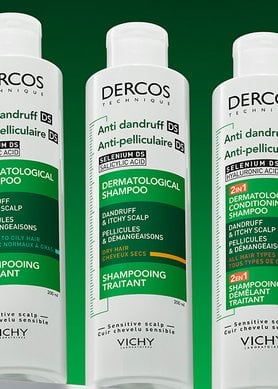
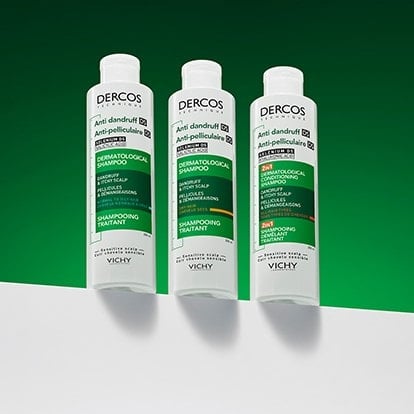
3 Dercos products standing against a green background

MYTH 1: Wash Your Hair as Little as Possible

Regardless of whether you have an oily or dry scalp, you often hear that you shouldn’t wash your hair every day. However, the right rhythm for washing your hair, especially how often to wash your hair with dandruff, is very individual. For example, washing your hair every day may not be beneficial to managing dandruff any more than washing it once or twice a week can be.


So, how often should you wash your hair if you have dandruff? Everyone’s needs are unique, so it’s best to find your own rhythm for washing your hair. If your hair gets greasy quickly after washing, your scalp feels itchy and your dandruff seems to be getting worse, there can be other factors that are causing dandruff beyond how frequently you wash your hair.

MYTH 2: Let Hair Air Dry

Hot air from a hair dryer can be damaging to hair and even irritate sensitive scalps. But does blow-drying cause dandruff? Not necessarily; there is no scientific proof that blow-drying hair makes dandruff worse. However, if your scalp is very dry and flaky, hot air can sometimes dry it out even further.


Conversely, there are reports of people with oily scalps who notice flakiness increases when they let their hair air dry. It is suspected that a damp scalp promotes the growth of the fungus that causes dandruff. If this is something you find, you can blow-dry your hair on a medium or lowest setting to help better protect your hair and scalp.

MYTH 3: Home Remedies for Dandruff

Home remedies for dandruff are often recommended on social media – and the possibilities seem endless. Olive oil, coconut oil, tea tree oil, apple cider vinegar, egg yolk or herbal rinses are just some of the home remedies for dandruff that are often mentioned.


The problem is that there are usually no scientific studies that prove the effectiveness of these remedies. You can only rely on the experience of individual people. In addition, home remedies always carry a risk of potential allergies or intolerances, and not every home remedy is suitable for every scalp. Instead, we recommend dermatologist-approved products to target dandruff at home, with scientifically backed ingredients such as selenium disulphide, salicylic acid, and piroctane olamine.

MYTH 4: Brush Out Dandruff

Can you brush out dandruff? At first glance, it seems quite logical to simply brush out loose flakes with a firm brush. However, brushing too often and vigorously can irritate the scalp, stimulate excess sebum production, and make flakes appear more visible between hair strands.


Instead, it is advisable to gently comb out the flakes whilst hair is damp - ideally during or after washing your hair, when the flakes are a little looser due to the warm water. To do this, carefully guide a wide-toothed comb with rounded teeth through the hair without putting too much strain on the scalp. Then rinse the hair again and clean the comb thoroughly to remove sebum and dandruff as well as any residue from care products.

MYTH 5: Drying Anti-Dandruff Shampoo

Anti-dandruff shampoos are wonderful for bringing the scalp back into balance and treating dandruff at home. They contain active ingredients that help eliminate visible flakes and care for the scalp. However, it is important to choose the right shampoo for your scalp type. For example, for a dry scalp, moisturising ingredients are particularly important, while an oily scalp often benefits from formulations with oil-reducing salicylic acid.


In general, but especially for dry scalps, your anti-dandruff shampoo should not dry out the scalp and shouldn’t contain any ingredients that could further irritate the scalp. It is therefore best to use products formulated with sensitive scalps in mind to help nourish and soothe the scalp. It’s also always important to rinse the shampoo very thoroughly so that no residue remains on the scalp.

Man with wavey hair lifting his hand to his head

Don't feel like experimenting? Then try our Vichy DERCOS shampoos. Our anti-dandruff shampoos are available for dry hair, oily hair, sensitive scalps and as a 2 in 1 for added conditioning so you can choose the right product that works for you and your scalp to target dandruff at home. Our formulations eliminate up to 100% visible flakes and provide anti-dandruff protection for up to 6 weeks*.

Your checklist for dandruff:

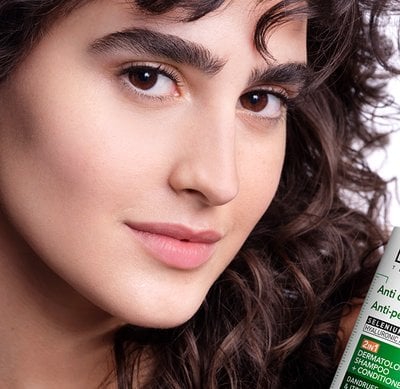
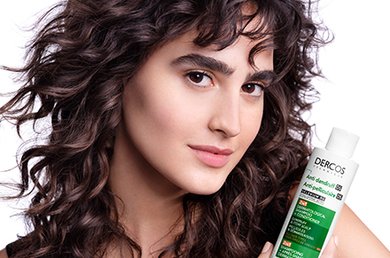
Woman with wavey hair holding Dercos 2 in 1

 Find your own rhythm for the frequency of hair washing

✓ Dry your hair gently

✓ Avoid using home remedies for dandruff

✓ Carefully comb out dandruff when washing your hair

✓ Choose the right anti-dandruff shampoo for your scalp type


There are numerous tips for dealing with dandruff, but these are not always a one-size-fits-all. While one or two tips can work for some people, the desired effect may not be achieved for others. In order to better manage dandruff in both the short and long term, it is important to focus on caring for a healthy scalp. This, among other things, includes choosing the right shampoo that is tailored to the needs of your scalp and hair.

Frequently Asked Questions

How often to wash your hair with dandruff?

How often you should wash your hair with dandruff entirely depends on your scalp’s unique needs. Some people with finer hair will benefit from more frequent washing, whereas if you have an extremely dry scalp, then washing your hair every day with a drying shampoo can actually make dandruff worse. It’s best to find your own routine and rhythm for washing your hair.

Does blow-drying cause dandruff?

There is no evidence that blow-drying causes dandruff. If you have a dry or sensitive scalp, then hot air could potentially dry it out further. However, air drying hair on oily scalps could encourage the fungus that causes dandruff. It is recommended to blow-dry your hair on a low-medium setting so you don’t aggravate your scalp.

Can you brush out dandruff?

It’s not recommended to brush out dandruff as this can further irritate your scalp and cause flakes to get stuck in the hair. Instead, we recommend gently combing out flakes with a wide-tooth comb while the hair is still damp.

Banner

HAIR & SCALP CARE ROUTINE FINDER

TAKE THE QUIZ TO FIND YOUR HAIR & SCALP CARE ROUTINE,

TAILORED TO YOUR HAIR & SCALP NEEDS.

START NOW

SKINCARE ROUTINE FINDER

TAKE THE QUIZ TO FIND YOUR SKINCARE ROUTINE,

TAILORED TO YOUR SKIN NEEDS.

START NOW