How to Get Rid of Dandruff: Treatment, Causes, Prevention

Having dandruff and a flaky scalp is incredibly common. But where does dandruff come from? And why do you have dandruff? We'll explain common dandruff causes, how to prevent dandruff and reveal how to remove dandruff, too.

Where Does Dandruff Come From?
Woman with blonde wavey hair looking into the camera mobile

What causes dandruff? The reasons for dandruff are yet to be fully understood, but some factors can contribute to it: overgrowth of a yeast-like fungus called Malassezia, which is naturally present in the scalp and an accelerated renewal of skin cells on the scalp. The skin renewal cycle normally lasts an average of 28 days and the amount of dead skin cells shed is not usually noticeable.

However, for some people, this process can happen faster, meaning that the increased skin shedding can become more visible. Not all dandruff is the same and we differentiate between dry dandruff (white and loose) and oily dandruff (yellowish and clinging). There are several possible triggers and influencing factors that increase the likelihood of dandruff. We have summarised the most common dandruff causes below.


Hormonally-induced dandruff


Hormones control many processes in the human body. If the hormonal balance shifts, this can have different effects, even causing certain types of dandruff.

For example, menstruation, puberty, pregnancy or even menopause can lead to an increase or decrease in the activity of the scalp's sebaceous glands due to hormonal factors. A scalp that is too dry can also promote dry dandruff, while the dead skin cells on an oily scalp easily stick together and adhere which also causes dandruff.


Dandruff caused by unsuitable hair care products


Shampoos, conditioners, hair treatments - they are all designed to care for your hair and scalp. However, not every product is suitable for your individual scalp or hair needs. Various ingredients in hair care products can cause irritation and may encourage or intensify the formation of dandruff. Undesirable reactions to haircare products can often be observed,   especially in sensitive scalps.

Environmental influences which can cause dandruff


Our scalp is sensitive to many external factors, one of them being our environment. As the seasons change, so does our scalp health. Many people experience fluctuations in dandruff signs during different times of the year.

During colder months, when the air is dry and humidity levels drop, our scalps can become dry and flaky. This dryness can lead to a scalp becoming more susceptible to visible flakes and cause dandruff. On the other hand, during warmer and more humid seasons, excessive sweating can create a favourable environment for the growth of Malassezia which can contribute to dandruff.
How to Get Rid of Dandruff

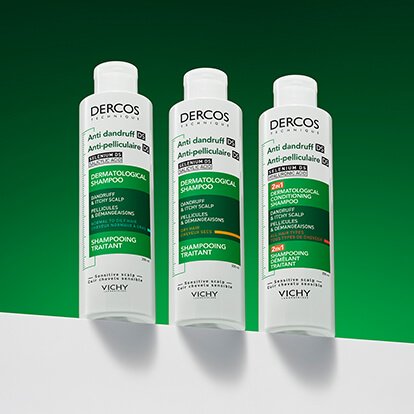
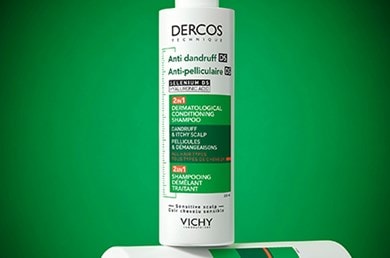
Dercos 2 in 1 laying on it’s side with a reflection mobile
Fortunately, dandruff doesn't have to be a permanent problem. There are several ways to support the natural balance of the scalp and reduce visible flakes in the long term. Below are our top tips to remove and prevent flakes from appearing.

The right anti-dandruff shampoo


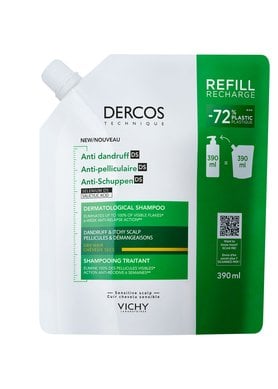
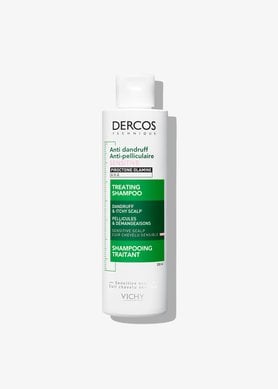
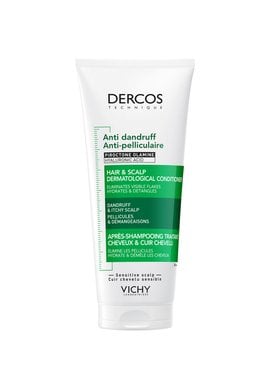
Using the right shampoo forms the basis for a flake-free scalp. An anti-dandruff shampoo is ideal because its formulation is specifically aimed at flaky hair. But even with this type of shampoo, make sure that it is suitable for you and your scalp – whether it is dry, oily, sensitive or in need of extra nourishment.

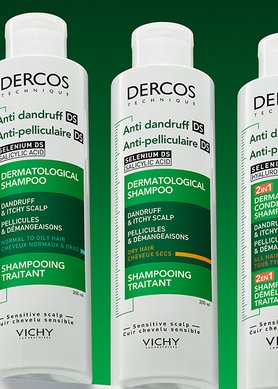
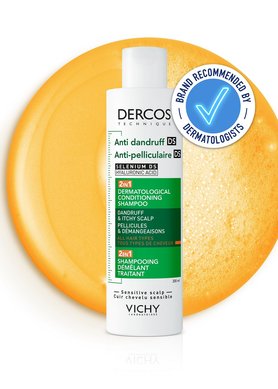
The Vichy DERCOS 2in1 Anti-Dandruff Shampoo + Conditioner is suitable for all hair types and is your ally against dandruff, even for sensitive scalps. This innovative shampoo with Selenium DS not only removes up to 100% of visible flakes from the 1st wash*, but also provides up to 6 weeks of anti-dandruff protection. The shampoo, with hyaluronic acid, provides smoothness for up to 72 hours and ensures shinier, softer hair that is easier to comb.

Tip: Wash your hair with lukewarm instead of hot water to protect the scalp, help prevent dandruff, and avoid drying it out.


A healthy lifestyle against dandruff


A healthy and conscious lifestyle is another important pillar in the fight to prevent dandruff. Looking after your overall well-being can have a positive impact on your scalp. Staying, hydrated, managing stress levels, getting enough sleep and maintaining a balanced diet can all help contribute towards a healthier-feeling scalp.

A little patience and perseverance


Dandruff can sometimes be very stubborn and it can take a while for it to disappear. But it's worth persevering! Good anti-dandruff shampoos often show results from the first use – but it is regular use over a longer period of time that ensures long-term results to prevent dandruff relapsing. Changing your diet or establishing a new sleep routine also takes time, but can help have a long-term impact on the condition of your scalp and your general well-being.

Conclusion: Removing Flakes and Preventing its Return

Visible dandruff often forms faster than we would like. It can have various causes and can vary in appearance. But if you know where dandruff comes from, you can manage it better. The most important thing here is the right haircare routine.

Adjust your haircare to the needs of your hair to achieve the best possible results and maintain a healthy-looking scalp. Combine your anti-dandruff products with a healthy lifestyle and you will soon be able to wave goodbye to visible dandruff and a flaky scalp.

Frequently Asked Questions

Why do I have dandruff?

You may have dandruff due to hormonal changes which can influence how oily or dry your scalp is, while environmental aggressors like cold or dry weather can affect scalp flakiness. Additionally, using unsuitable hair products that irritate sensitive scalps can also be a dandruff cause.

What causes dandruff?

Dandruff can be caused by a number of internal or external factors, including hormonal changes, weather and humidity, and the hair products you use. Dandruff can also be caused by an overgrowth of a yeast-like fungus called Malassezia, which accelerates skin cell shedding on the scalp and can leave behind the flakes we know as dandruff.

How can I prevent dandruff?

You can help minimise visible flakes by using a quality anti-dandruff shampoo to provide smoothness for dry and sensitive scalps. Taking care of your overall health and well-being by maintaining a healthy diet, getting enough sleep, and staying hydrated can also improve your scalp health.
Banner

HAIR & SCALP CARE ROUTINE FINDER

TAKE THE QUIZ TO FIND YOUR HAIR & SCALP CARE ROUTINE,

TAILORED TO YOUR HAIR & SCALP NEEDS.

START NOW

SKINCARE ROUTINE FINDER

TAKE THE QUIZ TO FIND YOUR SKINCARE ROUTINE,

TAILORED TO YOUR SKIN NEEDS.

START NOW