
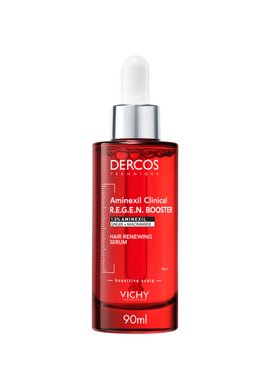
DERCOS ANTI-HAIR LOSS AMINEXIL CLINICAL REGEN SERUM
Targets hair loss & strengthens existing hair growth. Proven to reduce hair fall due to breakage.
Understand how testosterone causes hair loss through DHT conversion. Our complete guide to male pattern baldness and female hair thinning.
Updated on:02 September 2026

1. Testosterone and hair loss are linked, but the relationship is much more complex than a simple correlation between testosterone levels and receding or thinning hair.
2. While men typically have higher levels, both men and women have testosterone in their bodies.
3. Hair loss occurs when you have a genetic predisposition that makes your hair follicles sensitive to DHT (a potent form of testosterone), combined with sufficient hormone levels to trigger the miniaturisation process of hair follicles.
4. In cases of male pattern baldness, hair follicles are particularly susceptible to DHT miniaturisation. These follicles are typically those around the corners of the hairline, which is why male pattern baldness follows a predictable pattern across men.
5. During the menopause, women find themselves more vulnerable to the effects of DHT as oestrogen levels decline. Female pattern baldness differs from male as it tends to affect the crown and top of the scalp with thinning hair, not receding.
The connection between testosterone and hair loss is one of the most misunderstood topics in hair health. Many people believe that high testosterone levels directly cause hair loss, but the reality involves genetic predisposition, hormone conversion, and individual sensitivity rather than simple hormone levels.
Understanding this connection is crucial for anyone experiencing hormonal hair loss, whether you’re a man noticing receding temples or a woman dealing with diffuse thinning. The good news is that testosterone-related hair loss doesn’t have to be permanent. With the right understanding and targeted interventions, you can effectively manage the effects of hormonal changes on your hair.
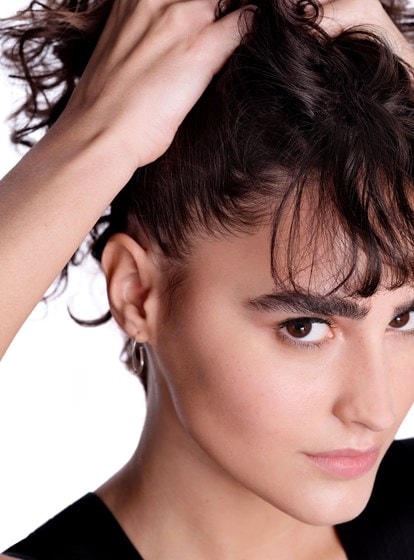
Testosterone is often mischaracterised as exclusively a "male hormone," but this oversimplification doesn't reflect biological reality. While men typically have higher levels of testosterone, women also produce and require this hormone for various bodily functions, including muscle development, bone density, mood regulation, and overall energy levels.
In men, normal testosterone levels typically range from 300-1,000 nanograms per deciliter (ng/dL), with levels naturally declining by about 1% per year after age 30. Women have significantly lower levels, usually between 15-70 ng/dL, but testosterone remains important for their health, particularly for maintaining bone strength and sexual function.
The key to understanding testosterone's connection with hair lies in what happens after testosterone is produced. When testosterone encounters the enzyme 5-alpha reductase, it converts into dihydrotestosterone (DHT), a much more potent androgen hormone. DHT is approximately 10 times more powerful than testosterone in its biological effects.
DHT plays important roles in regulating various body functions, including the development of male characteristics during puberty, prostate function, and sebaceous gland activity. However, when it comes to hair follicles, DHT can have a destructive effect. Hair follicles on the scalp have androgen receptors that can bind with DHT, and this binding process can cause the follicles to shrink over time.
This follicle miniaturisation process is gradual and progressive. Initially, affected follicles produce thinner, shorter hairs with each growth cycle. Eventually, the follicles become so small that they can no longer produce visible hair, leading to apparent baldness in those areas. Interestingly, DHT affects different areas of the scalp differently, which explains why male pattern baldness typically follows predictable patterns.
The answer varies depending on individual circumstances. High testosterone levels alone don't automatically cause hair loss. Instead, hair loss occurs when you have a genetic predisposition that makes your hair follicles sensitive to DHT, combined with sufficient hormone levels to trigger the miniaturisation process.
This genetic sensitivity to DHT is the crucial factor that determines whether someone will experience androgenetic alopecia. You can have high testosterone levels and never experience significant hair loss if your follicles aren't genetically programmed to be sensitive to DHT.
Conversely, someone with normal or even lower testosterone levels might experience hair loss if their follicles are highly sensitive to even small amounts of DHT.
The difference between hormone levels and follicle response explains why some men with high testosterone maintain full heads of hair while others with normal levels experience significant balding. It also explains why treatments that focus solely on reducing testosterone levels are often ineffective and can cause unwanted side effects.
Understanding this distinction is important because it shifts the focus from trying to dramatically alter hormone levels to targeting the specific mechanisms that cause follicle sensitivity and DHT production. This more targeted approach often yields better results with fewer side effects.
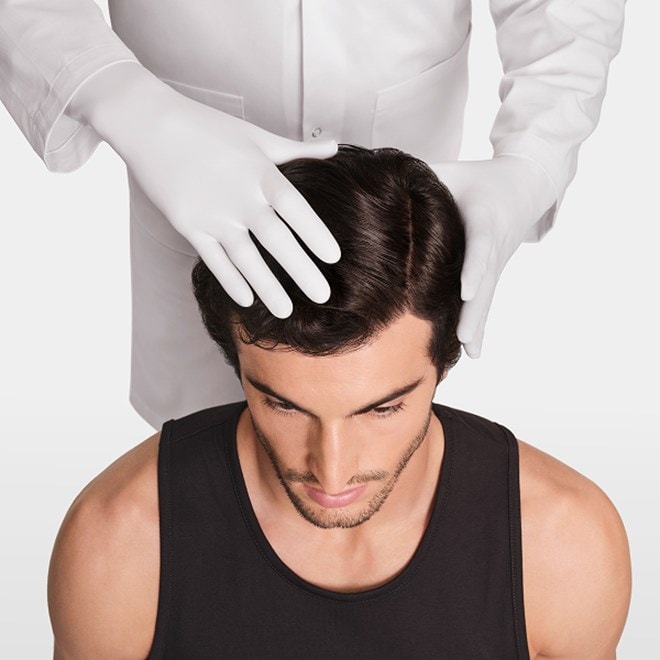
1. Male Hair Loss Patterns
Male pattern baldness, medically known as androgenetic alopecia, affects approximately 50% of men over age 50 and can begin as early as the late teens or early twenties. The term androgenetic reflects both the hormonal (androgen) and genetic components that contribute to this condition.
Male pattern baldness typically follows predictable patterns of localised thinning. The most common areas affected include the temples, where hair recession creates the characteristic M shape, the vertex (top of the head), and the crown area. This pattern occurs because hair follicles in these areas have higher concentrations of androgen receptors and 5-alpha reductase enzyme, making them more susceptible to DH miniaturisation.
The progression is often early onset and progressive, meaning it typically starts relatively young and continues to worsen over time without intervention. The rate of progression varies significantly between individuals, with some men experiencing rapid hair loss over just a few years while others have a slower, more gradual process that spans decades.
Interestingly, the hair on the sides and back of the head (often called the "donor area" in hair transplant procedures) typically remains resistant to DHT throughout life. This resistance is why these areas maintain hair even in advanced cases of male pattern baldness and why hair transplants can be effective long-term solutions.

2. Female Hair Loss Patterns
Female hair thinning and hormones create a different pattern of hair loss compared to men. Women experiencing androgenetic alopecia typically show more diffuse thinning, especially concentrated on the top of the scalp, rather than the distinct receding patterns seen in men. This diffuse pattern often makes female hair loss less noticeable in early stages, but it can be more psychologically distressing as it affects overall hair volume and thickness.
Hormonal hair loss in women is often linked to significant hormonal changes throughout their lives. Understanding how hormones affect hair growth is crucial in recognising these patterns. Menopause represents one of the most common triggers, as declining oestrogen levels can unmask the effects of androgens on hair follicles. During menopause, the protective effects of oestrogen diminish, allowing DHT to have a more pronounced impact on hair growth.
Polycystic ovary syndrome (PCOS) is another major cause of hormonal hair loss in women. This condition can increase androgen levels and alter the balance of hormones, leading to both scalp hair loss and increased body hair growth. Women with PCOS may experience hair thinning at a younger age and may also deal with other symptoms like irregular periods and weight gain.
Postpartum hair loss represents a temporary but often dramatic form of hormonal hair loss. During pregnancy, elevated oestrogen levels keep more hairs in the growing phase, leading to thicker, fuller hair. After delivery, hormone levels return to normal, causing many hairs to enter the resting phase simultaneously, resulting in significant shedding 2-4 months postpartum.
Managing testosterone-related hair loss requires a comprehensive approach combining lifestyle, nutrition, and targeted treatments. Quality sleep, exercise, and stress management help regulate hormones naturally, as well as limiting sugar and processed foods
The connection between testosterone and hair loss is complex but manageable once you understand the underlying mechanisms. While genetic sensitivity to DHT plays the primary role in androgenetic alopecia, effective treatments are available for both men and women experiencing hormonal hair loss.
The key to successful management lies in combining targeted medical treatments with supportive hair care that strengthens existing hair and optimises scalp health.
Whether you're dealing with male pattern baldness or female hair thinning and hormones, early intervention typically yields the best results.
- Endotext / NCBI, Male Androgenetic Alopecia : https://www.ncbi.nlm.nih.gov/books/NBK278957/
- StatPearls / NCBI, 5α-Reductase Inhibitors : https://www.ncbi.nlm.nih.gov/books/NBK555930/
Targets hair loss & strengthens existing hair growth. Proven to reduce hair fall due to breakage.


