Our Best Tips to Get Rid of Dry or Oily Dandruff

Updated on : August 14 2026

Feeling frustrated that nothing seems to work against dandruff? You're not alone, almost 1 in 2 people suffer from dandruff– but that doesn't mean you have to keep struggling. We're here to explain the difference between dry and oily dandruff, and share practical tips to help you achieve a healthier, flake-free scalp.

Contents


  • Where does dandruff come from?
  • What is the difference between dry and oily dandruff?
  • What helps against dandruff?
  • How to find the right products for your hair?
  • How to get rid of dry or oily dandruff

Where does dandruff come from?

Dandruff occurs when skin cells peel off the scalp. This process is part of the skin's natural regeneration: the epidermis renews itself approximately every 28 days, with dead skin cells being shed constantly. Since these cells are very tiny, this process is usually unnoticeable. However, if the scalp becomes unbalanced, it often renews itself more quickly than usual. This accelerated shedding of skin cells leads to visible flakes – what we commonly refer to as dandruff. On top of this, a flaky scalp is often accompanied by an itchy feeling scalp.

What is the difference between dry and oily dandruff?

Depending on the cause, dandruff can be categorised as either oily or dry. Let’s take a closer look at the differences between the two, and what causes them.

What is dry dandruff?


Dry dandruff appears as white, loose flakes on the scalp that often fall onto clothing, making them clearly visible and can lead to dandruff dictating your wardrobe choices With dry dandruff, the scalp tends to be very dry and may also feel itchy or appear red and irritated. Some common causes of a dry, dandruff-prone scalp include:

  • Hereditary predisposition to dry skin
  • Dry indoor heating or cold, dry winter air
  • Exposure to heat and UV radiation
  • Hormonal changes (e.g., menopause)
  • Stress
  • Poor diet
  • Incorrect or harsh hair care practices


What is oily dandruff?


Oily dandruff is typically more yellowish in colour and appears in larger flakes compared to dry dandruff. Instead of falling off easily, it tends to stick to the scalp or hair. The scalp often feels oily, and the hair may look greasy as well. This type of dandruff is usually caused by overactive sebaceous glands, which produce excess sebum on the scalp. The sebum causes dead skin cells to clump together, forming noticeable flakes. Several factors can contribute to this increased oil production, including:

  • Hereditary predisposition to increased sebaceous gland activity
  • Hormonal fluctuations (e.g. during puberty)
  • Stress
  • Diet
  • Incorrect hair care

Dandruff: A case for the dermatologist?

In most cases, dandruff is completely harmless, but can be managed through healthy scalp care routines. However, if your dandruff becomes extremely persistent or recurring, or you notice pronounced redness, severe itching, hair loss or a wet scalp, it is advisable to seek medical advice from your GP or dermatologist. The impact of dandruff can be both physical and emotional, taking the right action to tackle physical symptoms can help reduce the emotional toll that can come with dandruff.

What helps against dandruff?

Dandruff can be stubborn, and many people wonder how to get rid of it for good. While there’s no one-size-fits-all solution, we’ve put together some top tips to help you manage and reduce both dry and oily dandruff:

  • Hair washing frequency isn’t a one size fits all. Washing hair daily won't damage it or the scalp. In fact, regular washing prevents buildup. Integrate an anti-dandruff shampoo 3-4 times a week into your hair wash routine.
  • Avoid washing with water that is too hot. Lukewarm water is ideal to avoid putting additional strain on your scalp.
  • Avoid rubbing your hair and scalp dry after washing as this can cause damage to the hair’s structure. Instead, gently squeeze the water out of your hair with a towel.
  • Use hairbrushes with soft bristles and do not apply too much pressure to the scalp.
  • Let your hair air dry as often as possible. When blow-drying, make sure to keep enough distance from your scalp and set the dryer to the lowest setting possible.
  • Styling products should ideally only be used in small amounts and not worked directly into the scalp.
  • You can pamper a dry scalp with oil before going to sleep. To do this, gently massage a few drops of olive oil, jojoba oil or coconut oil onto the scalp. Leave the oil on for a few hours or overnight and then rinse it out carefully with warm water.


How our diet affects dandruff formation

Another tip for dry or oily dandruff: adjust your diet! There is evidence that diet affects the scalp. For example, foods that contain fat or sugar are suspected of increasing sebum production. Alcohol and wheat flour should also be avoided if possible or only consumed in small amounts. Instead, include plenty of fresh vegetables, fruit and whole grain products in your diet, which can help provide essential nutrients that support overall scalp health

How to find the right products for your hair

Choosing the right shampoo is key to achieving a healthier-feeling scalp. Just like skincare for your face and body, your shampoo should be tailored to your scalp’s specific needs. To help reduce dandruff, look for specially formulated anti-dandruff shampoos that care for the scalp.

Dry dandruff treatments


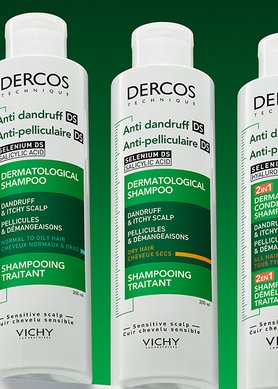
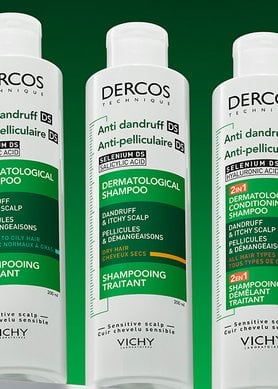
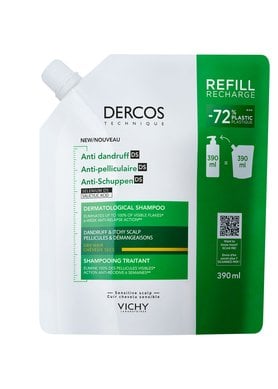
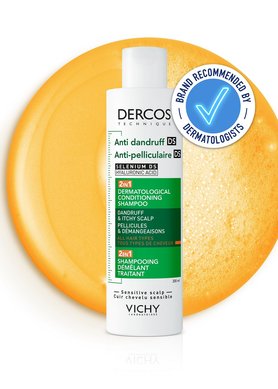
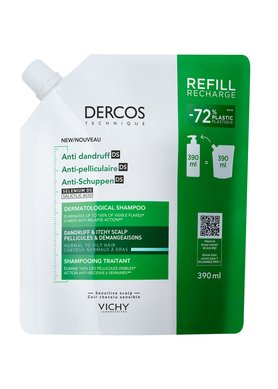
For a dry scalp and dandruff, a mild shampoo formulated for dry and sensitive scalps is most suitable. It is important that the shampoo does not have an additional degreasing effect. Moisturising formulas that support the natural balance of the scalp are ideal. A slightly exfoliating effect helps to gently remove dandruff. The Vichy DERCOS Anti-Dandruff Shampoo for dry hair removes up to 100% of visible flakes from the first use* and prevents relapses for up to six weeks**. It relieves feelings of discomfort and helps to balance the scalp microbiome.

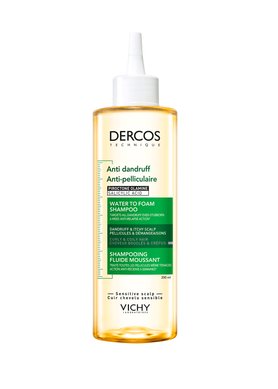
Good to know: Even if the scalp tends to be dry and have dry dandruff, the hairline can quickly become greasy again. In this case, an anti-dandruff shampoo for oily hair is recommended, such as the Vichy DERCOS Anti-Dandruff Intensive Shampoo for normal to oily hair.

Oily dandruff treatments


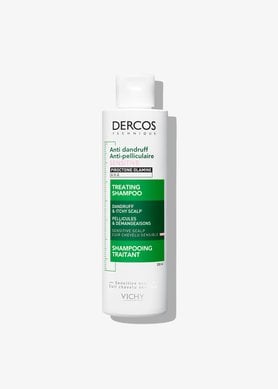
Since oily dandruff is often particularly stubborn, a shampoo with an exfoliating effect is recommended. An clarifying shampoo gently removes even very stubborn dandruff from the scalp. It should also counteract excessive sebum production to help prevent an oily scalp and dandruff. The Vichy DERCOS Anti-Dandruff Shampoo for normal to oily hair eliminates up to 100% of visible flakes from the first wash* and provides up to 6 weeks of anti-dandruff protection**. It counteracts oily hair without drying the sensitive scalp.

Add disclaimers:
*Consumer test on 262 subjects after 2 weeks of regular use
**Clinical study on 32 subjects after 4 weeks of use and 6 weeks of remanence

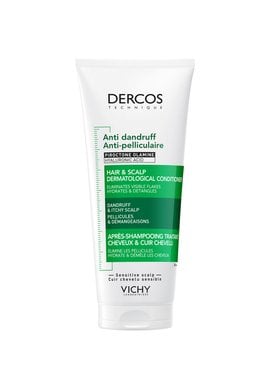
Tip:  After washing, pamper your hair with a nourishing conditioner like Dercos Anti-Dandruff Conditioner. It detangles and smooths hair, leaving it feeling intensely moisturised for up to 72 hours* while helping to reinforce the scalp’s protective barrier. Distribute the conditioner along the lengths and ends of the hair, avoiding the scalp.

*Self-assessment, clinical stufy on 33 subjects using neutral shampoo + Dercos Anti-Dandruff conditioner.


How to get rid of dry and oily dandruff

Dandruff is a common scalp concern, typically categorised as either dry or oily. Using an anti-dandruff shampoo that’s tailored to your scalp’s needs can effectively reduce visible flakes. You can also help prevent dandruff by maintaining a healthy scalp. This can be done through a balanced, healthy diet and treating your scalp gently – this means washing, drying, and styling your hair with care to avoid unnecessary stress.

With our tips for dealing with dry or oily dandruff, you can soon enjoy a balanced, dandruff-free scalp and shiny, healthier-looking hair again.

Frequently Asked Questions
Dry and Oily Dandruff FAQs

Why do I have yellow dandruff?

Yellow dandruff is usually caused by seborrheic dermatitis, an oily scalp condition where excess oil mixes with dead skin and yeast, leading to greasy, yellow flakes. Common triggers include:
● Oily scalp
● Stress
● Weather changes
● Heavy hair products

What's the difference between oily dandruff and dry dandruff?

Dry dandruff shows up as small, white, and flaky bits that fall easily from the scalp. It’s usually caused by a dry scalp, cold weather, or harsh products.

Oily dandruff (also called seborrheic dermatitis) looks yellowish, greasy, and sticks to the scalp. It’s linked to excess oil, yeast overgrowth, and scalp inflammation. In short:
● Dry dandruff = white, flaky, dry scalp
● Oily dandruff = yellow, sticky, oily scalp


The right treatment depends on the type, so identifying it is key.

Can I get rid of oily dandruff?

Yes, oily dandruff can be managed and reduced with the right care and products.

Here’s what helps:
● Use anti-dandruff shampoos formulated with Selenium Disulphide, Salicylic Acid and Piroctone Olamine.
● Wash your hair regularly to control oil buildup
● Avoid heavy, pore-clogging styling products
● Keep stress in check - it can trigger flare-ups

While it may not disappear overnight, consistent care can keep your scalp clear and visible flakes under control, helping you to regain your confidence to tackle dandruff